Recombinant Human Alpha-1,3-mannosyl-glycoprotein 4-beta-N-acetylglucosaminyltransferase A (MGAT4A), partial
-
中文名稱:人MGAT4A重組蛋白
-
貨號:CSB-YP890937HU
-
規(guī)格:
-
來源:Yeast
-
其他:
-
中文名稱:人MGAT4A重組蛋白
-
貨號:CSB-EP890937HU-B
-
規(guī)格:
-
來源:E.coli
-
共軛:Avi-tag Biotinylated
E. coli biotin ligase (BirA) is highly specific in covalently attaching biotin to the 15 amino acid AviTag peptide. This recombinant protein was biotinylated in vivo by AviTag-BirA technology, which method is BriA catalyzes amide linkage between the biotin and the specific lysine of the AviTag.
-
其他:
-
中文名稱:人MGAT4A重組蛋白
-
貨號:CSB-BP890937HU
-
規(guī)格:
-
來源:Baculovirus
-
其他:
產(chǎn)品詳情
-
純度:>85% (SDS-PAGE)
-
基因名:
-
Uniprot No.:
-
別名:3-D-mannoside beta-1; 3-mannosyl-glycoprotein 4-beta-N-acetylglucosaminyltransferase A soluble form; 4-N-acetylglucosaminyltransferase IVa; Alpha-1; GlcNAc T IVa; GlcNAc-T IVa; GNT IV; GNT IVA; GnT-IVa; GNTIV; GNTIVA; MGAT 4A; MGAT4A; MGT4A_HUMAN; N acetylglucosaminyltransferase Iva; N-acetylglucosaminyltransferase IVa; N-glycosyl-oligosaccharide-glycoprotein N-acetylglucosaminyltransferase IVa; UDP-N-acetylglucosamine: alpha-1
-
種屬:Homo sapiens (Human)
-
蛋白長度:Partial
-
蛋白標(biāo)簽:Tag?type?will?be?determined?during?the?manufacturing?process.
The tag type will be determined during production process. If you have specified tag type, please tell us and we will develop the specified tag preferentially. -
產(chǎn)品提供形式:Lyophilized powder
Note: We will preferentially ship the format that we have in stock, however, if you have any special requirement for the format, please remark your requirement when placing the order, we will prepare according to your demand. -
復(fù)溶:We recommend that this vial be briefly centrifuged prior to opening to bring the contents to the bottom. Please reconstitute protein in deionized sterile water to a concentration of 0.1-1.0 mg/mL.We recommend to add 5-50% of glycerol (final concentration) and aliquot for long-term storage at -20℃/-80℃. Our default final concentration of glycerol is 50%. Customers could use it as reference.
-
儲(chǔ)存條件:Store at -20°C/-80°C upon receipt, aliquoting is necessary for mutiple use. Avoid repeated freeze-thaw cycles.
-
保質(zhì)期:The shelf life is related to many factors, storage state, buffer ingredients, storage temperature and the stability of the protein itself.
Generally, the shelf life of liquid form is 6 months at -20°C/-80°C. The shelf life of lyophilized form is 12 months at -20°C/-80°C. -
貨期:Delivery time may differ from different purchasing way or location, please kindly consult your local distributors for specific delivery time.Note: All of our proteins are default shipped with normal blue ice packs, if you request to ship with dry ice, please communicate with us in advance and extra fees will be charged.
-
注意事項(xiàng):Repeated freezing and thawing is not recommended. Store working aliquots at 4°C for up to one week.
-
Datasheet :Please contact us to get it.
產(chǎn)品評價(jià)

相關(guān)產(chǎn)品
靶點(diǎn)詳情
-
功能:Glycosyltransferase that participates in the transfer of N-acetylglucosamine (GlcNAc) to the core mannose residues of N-linked glycans. Catalyzes the formation of the GlcNAcbeta1-4 branch on the GlcNAcbeta1-2Manalpha1-3 arm of the core structure of N-linked glycans. Essential for the production of tri- and tetra-antennary N-linked sugar chains. Involved in glucose transport by mediating SLC2A2/GLUT2 glycosylation, thereby controlling cell-surface expression of SLC2A2 in pancreatic beta cells.
-
基因功能參考文獻(xiàn):
- GnT-IVa may contribute to the malignancy of choriocarcinoma by promoting cell adhesion, migration and invasion through glycosylation of integrin beta1 and LAMP-2. PMID: 28534963
- Data suggest microRNA-424 regulates expression of MGAT4A (mannoside beta-1,4-N-acetylglucosaminyltransferase A), OGT (O-linked N-acetylglucosamine transferase), and GALNT13 (polypeptide N-acetylgalactosaminyltransferase 13) in mammary epithelium. PMID: 26589799
- Findings suggest that GnT-IVa is involved in regulating invasion of choriocarcinoma through modifications of the oligosaccharide chains of beta1 integrin. PMID: 23169300
- upregulation of mannosyl (alpha-1,3-)-glycoprotein beta-1,4-N-acetyl-glucosaminyl-transferase is associated with metastatic colorectal carcinoma PMID: 15688387
- We investigated mRNA levels of glycosyltransferases, namely, N-acetylglucosaminyltransferase a (GnT)-IVa, and found that (GnT)-IVa expression was decreased in HLE-cells Epirubicin resistant. PMID: 17488527
- The results of this work suggest that in T2D subjects, high levels of glucose and triglycerides are accompanied by an increase on MGAT4A mRNA levels and WBC count; condition that suggests a pro-inflammatory state due to a chronic metabolic stress. PMID: 17953760
- GNT-IV genetic variation is not associated with gastric cancer. PMID: 19751437
顯示更多
收起更多
-
亞細(xì)胞定位:[Alpha-1,3-mannosyl-glycoprotein 4-beta-N-acetylglucosaminyltransferase A]: Golgi apparatus membrane; Single-pass type II membrane protein.; [Alpha-1,3-mannosyl-glycoprotein 4-beta-N-acetylglucosaminyltransferase A soluble form]: Secreted.
-
蛋白家族:Glycosyltransferase 54 family
-
組織特異性:Expressed in pancreas, spleen, thymus, prostate, small intestine, peripheral blood leukocytes and lymph node. Strongly overexpressed in choriocarcinoma cancer cell lines. Down-regulated in pancreatic cancer.
-
數(shù)據(jù)庫鏈接:
Most popular with customers
-
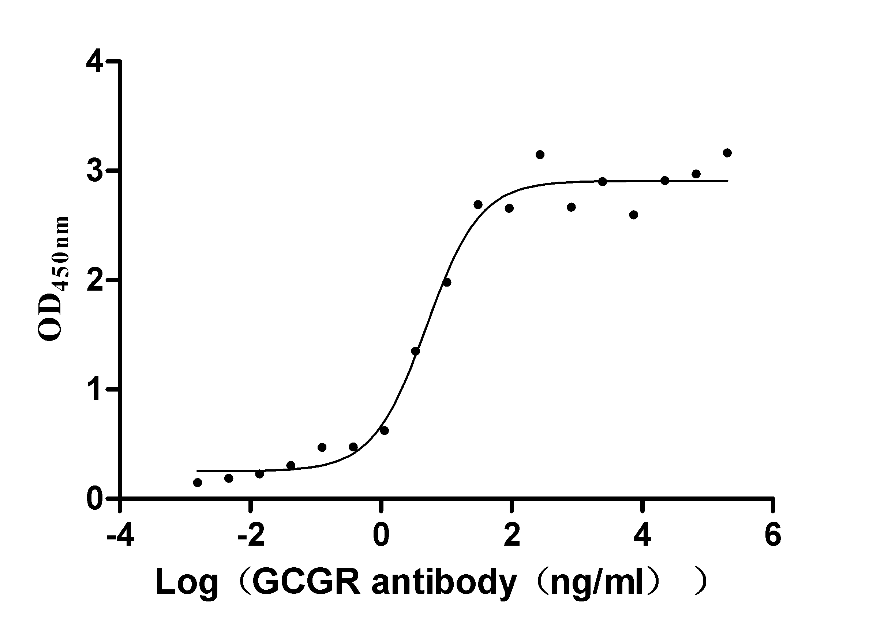
Recombinant Human Glucagon receptor (GCGR), partial (Active)
Express system: Mammalian cell
Species: Homo sapiens (Human)
-
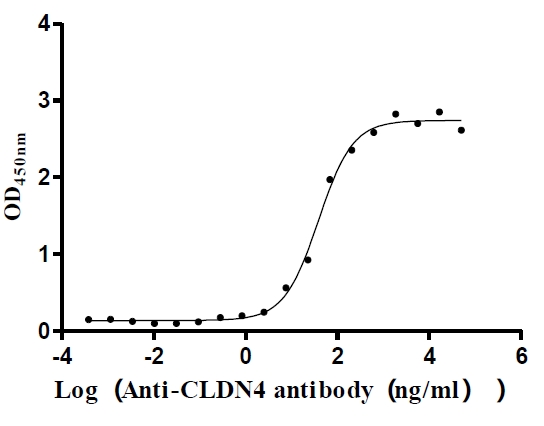
Recombinant Human Claudin-4 (CLDN4)-VLPs (Active)
Express system: Mammalian cell
Species: Homo sapiens (Human)
-
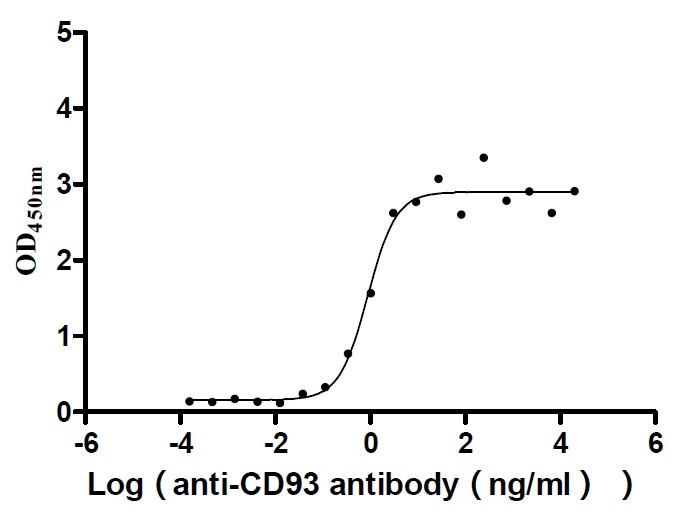
Recombinant Human Complement component C1q receptor (CD93), partial (Active)
Express system: Mammalian cell
Species: Homo sapiens (Human)
-
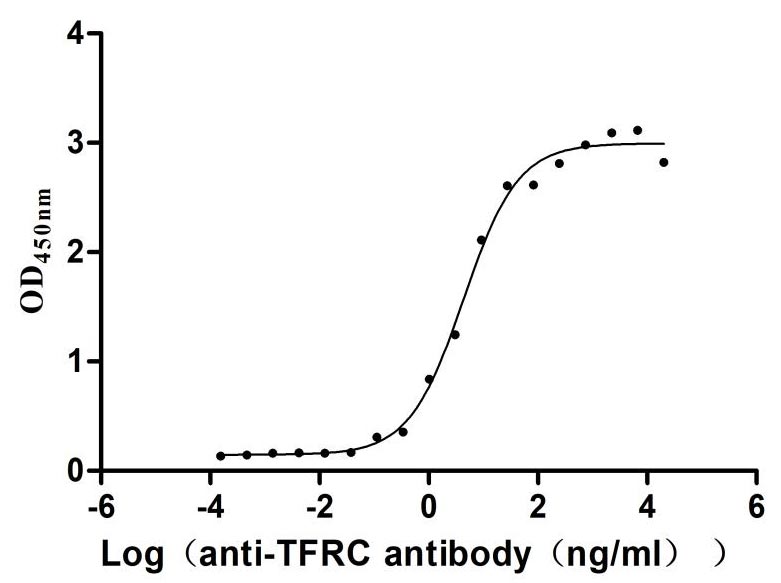
Recombinant Human Transferrin receptor protein 1 (TFRC), partial (Active)
Express system: Mammalian cell
Species: Homo sapiens (Human)
-
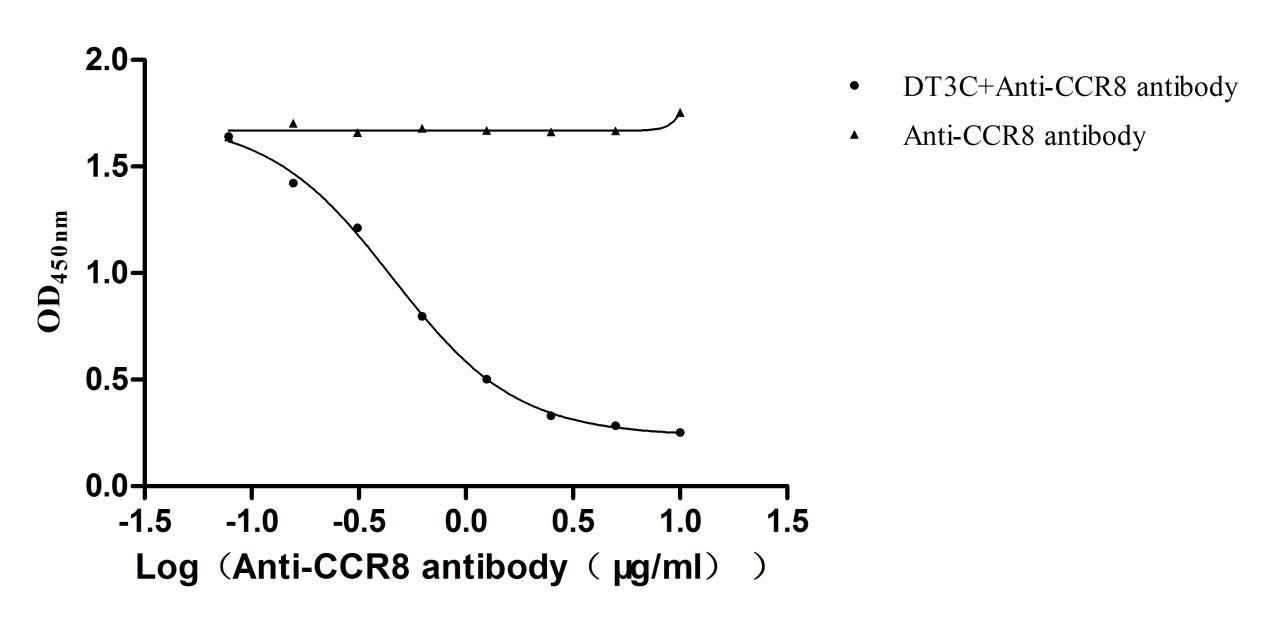
Recombinant DT3C (Diphtheria toxin & spg 3C domain) for Antibody Internalization Assay (Active)
Express system: E.coli
Species: N/A