Recombinant Rat Syndecan-4 (Sdc4), partial
-
中文名稱:大鼠Sdc4重組蛋白
-
貨號:CSB-YP020891RA1
-
規格:
-
來源:Yeast
-
其他:
-
中文名稱:大鼠Sdc4重組蛋白
-
貨號:CSB-EP020891RA1
-
規格:
-
來源:E.coli
-
其他:
-
中文名稱:大鼠Sdc4重組蛋白
-
貨號:CSB-EP020891RA1-B
-
規格:
-
來源:E.coli
-
共軛:Avi-tag Biotinylated
E. coli biotin ligase (BirA) is highly specific in covalently attaching biotin to the 15 amino acid AviTag peptide. This recombinant protein was biotinylated in vivo by AviTag-BirA technology, which method is BriA catalyzes amide linkage between the biotin and the specific lysine of the AviTag.
-
其他:
-
中文名稱:大鼠Sdc4重組蛋白
-
貨號:CSB-BP020891RA1
-
規格:
-
來源:Baculovirus
-
其他:
-
中文名稱:大鼠Sdc4重組蛋白
-
貨號:CSB-MP020891RA1
-
規格:
-
來源:Mammalian cell
-
其他:
產品詳情
-
純度:>85% (SDS-PAGE)
-
基因名:Sdc4
-
Uniprot No.:
-
別名:Sdc4; Synd4; Syndecan-4; SYND4; Ryudocan core protein
-
種屬:Rattus norvegicus (Rat)
-
蛋白長度:Partial
-
蛋白標簽:Tag?type?will?be?determined?during?the?manufacturing?process.
The tag type will be determined during production process. If you have specified tag type, please tell us and we will develop the specified tag preferentially. -
產品提供形式:Lyophilized powder
Note: We will preferentially ship the format that we have in stock, however, if you have any special requirement for the format, please remark your requirement when placing the order, we will prepare according to your demand. -
復溶:We recommend that this vial be briefly centrifuged prior to opening to bring the contents to the bottom. Please reconstitute protein in deionized sterile water to a concentration of 0.1-1.0 mg/mL.We recommend to add 5-50% of glycerol (final concentration) and aliquot for long-term storage at -20℃/-80℃. Our default final concentration of glycerol is 50%. Customers could use it as reference.
-
儲存條件:Store at -20°C/-80°C upon receipt, aliquoting is necessary for mutiple use. Avoid repeated freeze-thaw cycles.
-
保質期:The shelf life is related to many factors, storage state, buffer ingredients, storage temperature and the stability of the protein itself.
Generally, the shelf life of liquid form is 6 months at -20°C/-80°C. The shelf life of lyophilized form is 12 months at -20°C/-80°C. -
貨期:Delivery time may differ from different purchasing way or location, please kindly consult your local distributors for specific delivery time.Note: All of our proteins are default shipped with normal blue ice packs, if you request to ship with dry ice, please communicate with us in advance and extra fees will be charged.
-
注意事項:Repeated freezing and thawing is not recommended. Store working aliquots at 4°C for up to one week.
-
Datasheet :Please contact us to get it.
產品評價

相關產品
靶點詳情
-
功能:Cell surface proteoglycan that bears heparan sulfate. Regulates exosome biogenesis in concert with SDCBP and PDCD6IP.
-
基因功能參考文獻:
- syntenin-1 negatively regulates syndecan-4 function via oligomerization and/or syndecan-4 interaction, impacting cytoskeletal organization and cell migration. PMID: 27830760
- syndecan-4 is involved in establishment of the lamellar structure of the annulus fibrosus of the intervertebral disc PMID: 26272378
- This study provided evidence for the differential regulation by MAPK and NF-kappaB pathways in the over-expression of syndecan-4 promoted by TNF-alpha in NP cells PMID: 25491150
- Locally generated Sdc4 may play a role in regulating TRPC6 channels, and may contribute to glomerular pathology. PMID: 26193076
- Syndecan-2 and -4 form heterdimer and this interaction regulates syndecan-mediated cellular functions. PMID: 25979339
- SDC4 participates in amelogenesis, and FGF10 may modulate dental epithelial cell behaviors through the regulation of SDC4 expression. PMID: 25174688
- in healthy discs, SDC4, through its heparan sulfate side chains, contributes to maintenance of the hypoxic tissue niche by controlling baseline expression of Sox9. PMID: 24558194
- data suggest that the transmembrane domain plays a major role in regulating syndecan-4 functions, and show that a domain hierarchy exists in the regulation of syndecan-4 PMID: 22504297
- Expression of the proteoglycan syndecan-4 and the mechanism by which it mediates stress fiber formation in folliculostellate cells in the rat anterior pituitary gland. PMID: 22645300
- results support liposomal delivery of syndecan-4 as an effective means to improving the potential of using growth factors to achieve therapeutic neovascularization of ischemic tissue PMID: 22307630
- Pravastatin can inhibit the proliferation and syndean-4 protein expression in rat vascular smooth muscle cells induced by TNF-alpha in vitro. PMID: 20501378
- Suggest that membrane proteoglycans glypican-1/syndecan-4 participate in the sequence of events triggered by diabetes and inflicted on cardiac and skeletal muscles. PMID: 21518435
- Clustering induces redistribution of syndecan-4 core protein into raft membrane domains PMID: 11889131
- Syndecan-4 mRNA expression is not regulated by the FSH/cAMP/calcium pathway. PMID: 12135485
- Syn-4 is localized to a cytoskeletal adhesion complex unique to striated muscle, the costamere. Soon after redifferentiation of myofibrils in cultured neonatal cardiomyocytes, syn-4 is present only in costameres, not in focal adhesions. PMID: 12209563
- SDC4 regulates inositol phospholipid binding and signaling PMID: 12377772
- the focal adhesion component alpha-actinin interacts with syndecan-4 in a beta-integrin-independent manner PMID: 12493766
- Syndecan-4 can promote cell spreading in a beta(1) integrin-dependent fashion through PKCalpha and RhoA PMID: 12509413
- syndecan-4 binds PKC alpha and localizes it to focal adhesions, whose assembly may be regulated by the kinase PMID: 12571249
- FGF2 endocytosis requires syndecan-4 clustering-dependent activation of Rac1 and the intact CDC42-dependent macropinocytic pathway PMID: 15226395
- phosphorylation (Ser183) of syndecan-4 can play a critical role as a molecular switch to regulate its functions through conformational change PMID: 16310216
- Syndecan-4 signals to RhoA in a PKCalpha-dependent manner. PMID: 16787950
- mitogen-triggered syndecan-4 expression is an intrinsic part of the pathways subtending osteoblast proliferation and mineralization PMID: 16924669
- Syndecan-4 cytoplasmic domain forms a dimer stabilized by ionic interactions between peptides at physiological pH, a tendency which may be important for its role in regulating protein kinase C activity during focal adhesion formation. PMID: 11456484
顯示更多
收起更多
-
亞細胞定位:Membrane; Single-pass type I membrane protein. Secreted.
-
蛋白家族:Syndecan proteoglycan family
-
數據庫鏈接:
Most popular with customers
-
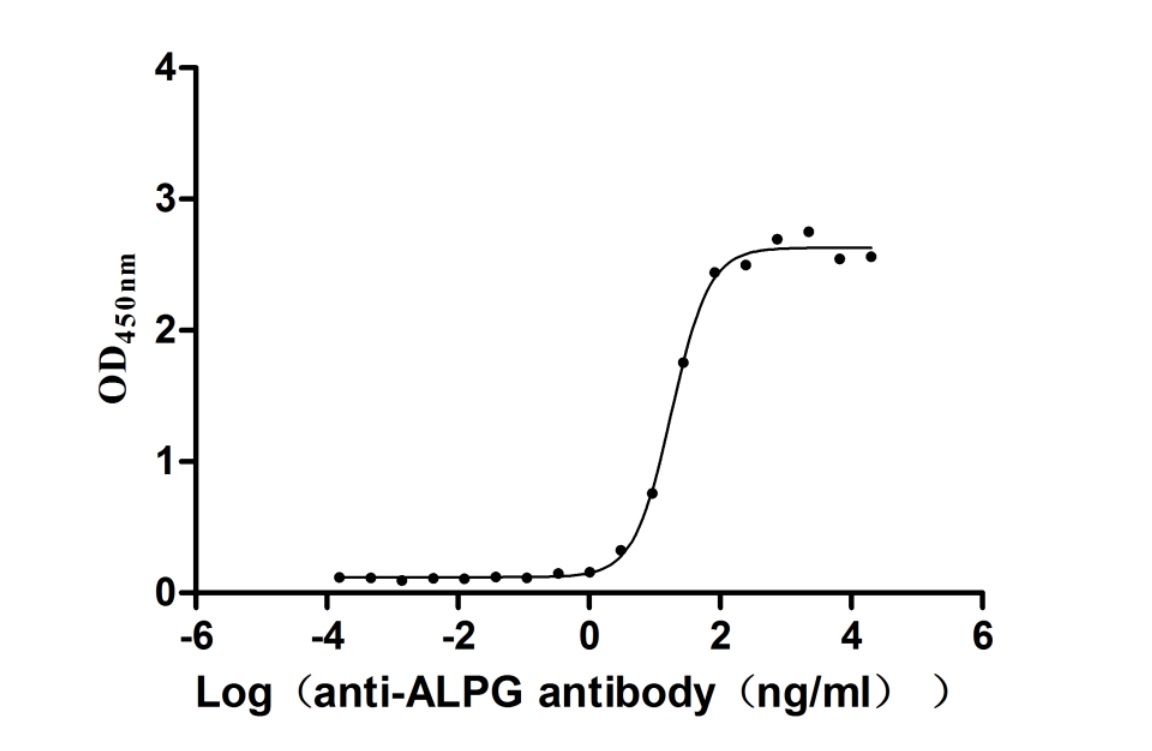
Recombinant Human Alkaline phosphatase, germ cell type (ALPG) (Active)
Express system: Mammalian cell
Species: Homo sapiens (Human)
-
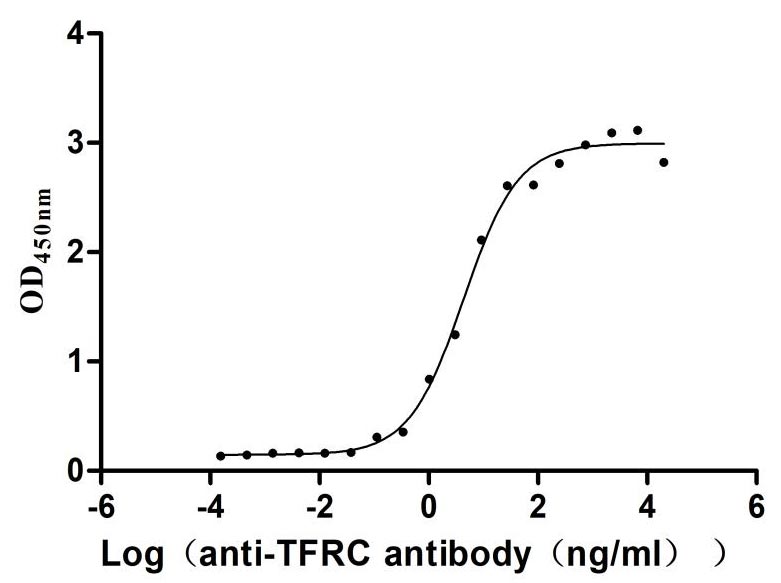
Recombinant Human Transferrin receptor protein 1 (TFRC), partial (Active)
Express system: Mammalian cell
Species: Homo sapiens (Human)
-
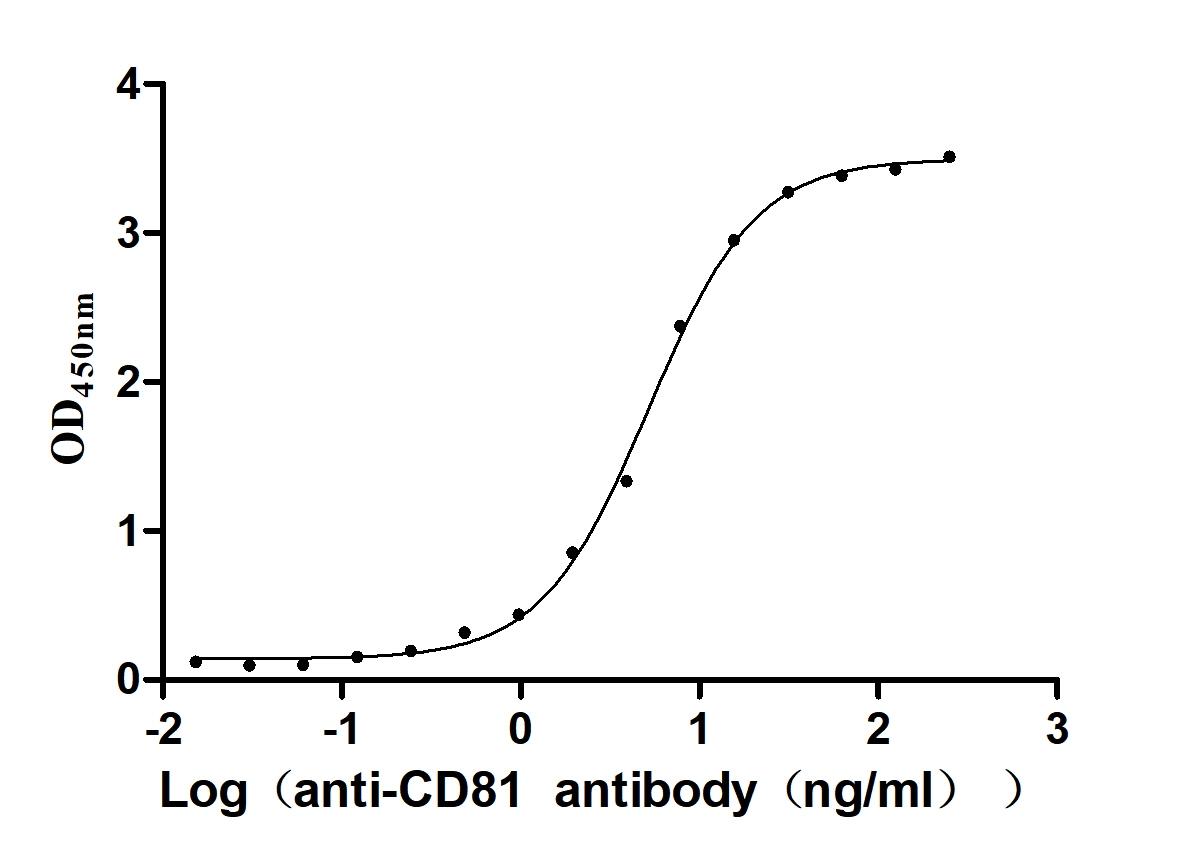
Recombinant Human CD81 antigen (CD81), partial (Active)
Express system: Mammalian cell
Species: Homo sapiens (Human)
-
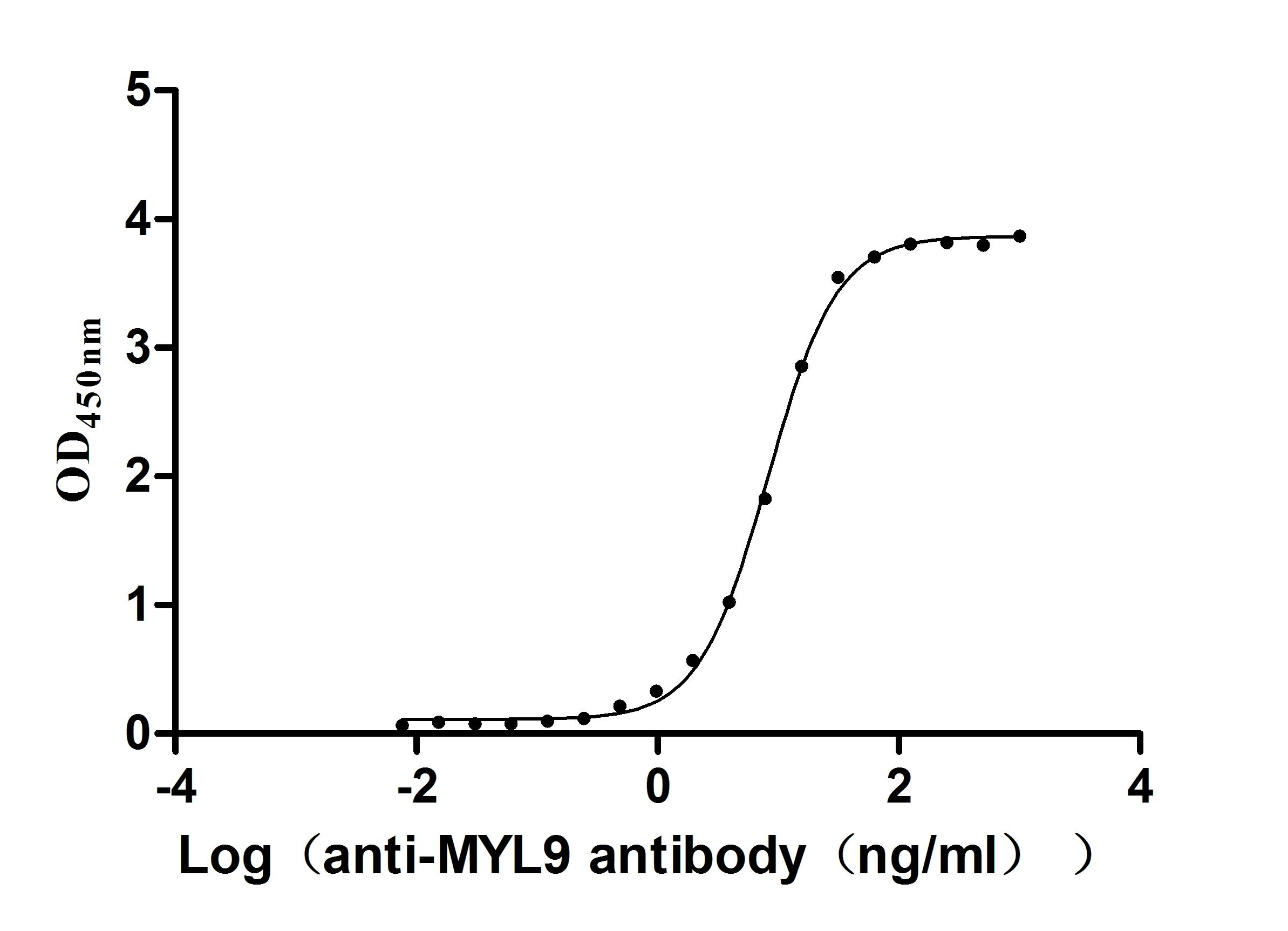
Recombinant Human Myosin regulatory light chain 12B (MYL12B) (Active)
Express system: E.coli
Species: Homo sapiens (Human)
-
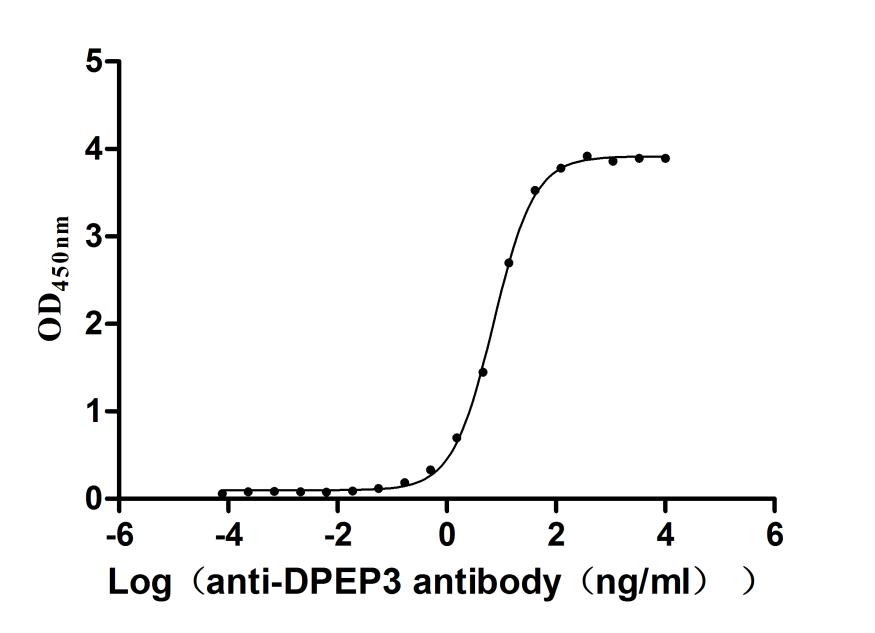
Recombinant Human Dipeptidase 3(DPEP3), partial (Active)
Express system: Mammalian cell
Species: Homo sapiens (Human)
-
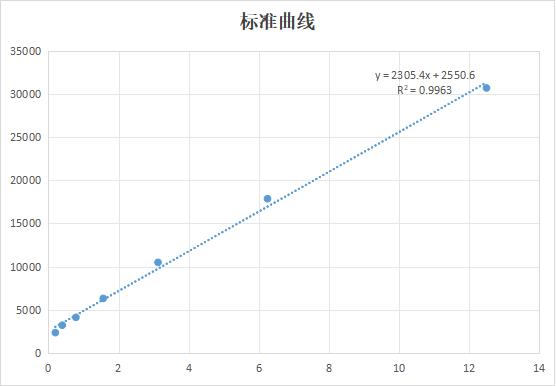
Recombinant Human Urokinase-type plasminogen activator(PLAU) (Active)
Express system: Mammalian cell
Species: Homo sapiens (Human)
-
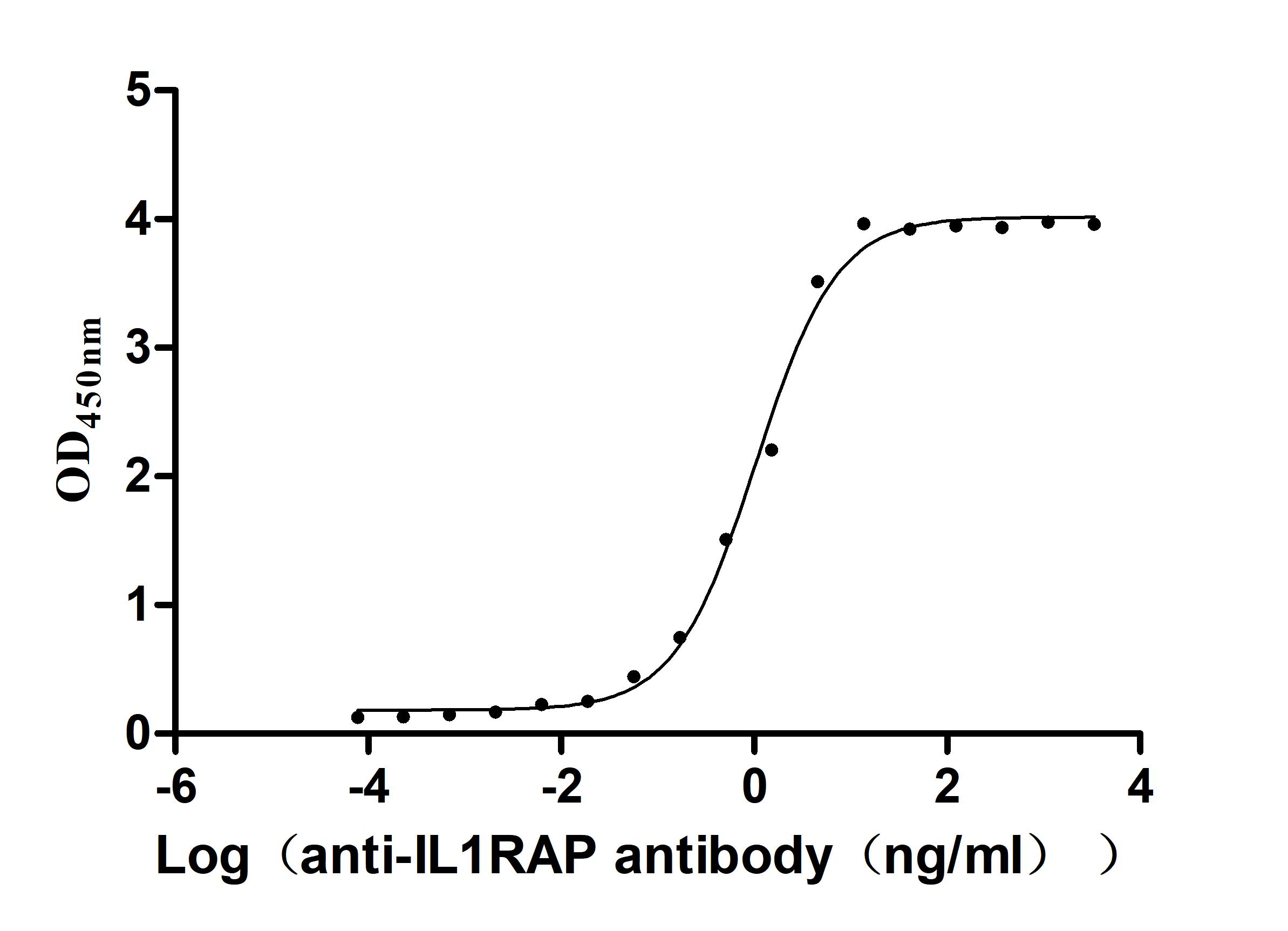
Recombinant Macaca fascicularis Interleukin 1 receptor accessory protein(IL1RAP), partial (Active)
Express system: Mammalian cell
Species: Macaca fascicularis (Crab-eating macaque) (Cynomolgus monkey)
-
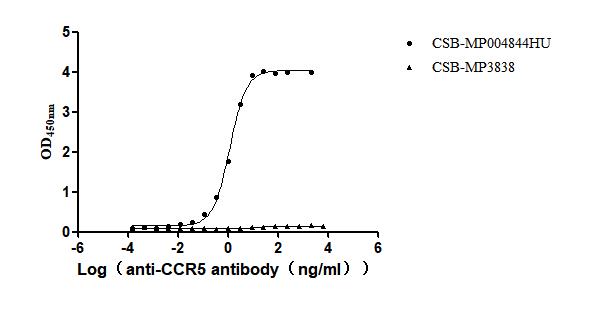
Recombinant Human C-C chemokine receptor type 5 (CCR5)-VLPs (Active)
Express system: Mammalian cell
Species: Homo sapiens (Human)